Browsed by
Category: Home

What Professional Window Cleaning Actually Includes (and Why a Hose Won’t Get You There)

What Professional Window Cleaning Actually Includes (and Why a Hose Won’t Get You There)

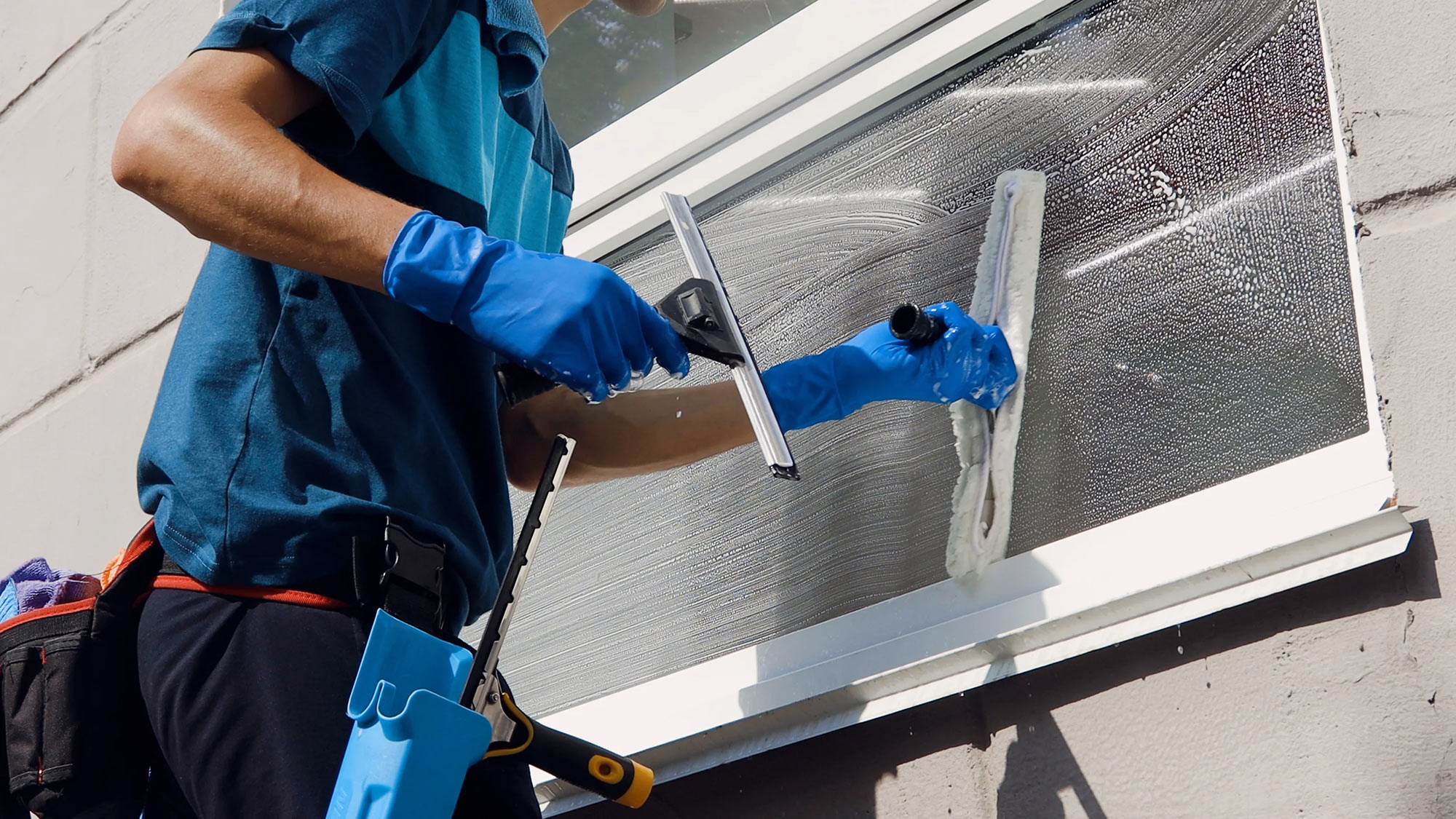
Hot take: if your “window cleaning” plan starts and ends with a garden hose and a squeegee, you’re not cleaning windows, you’re just moving dirt around until the sun hits it.

And yeah, I get why people do it. It’s quick. It feels productive. Then the glass dries, the mineral spots bloom like a bad surprise, and suddenly your “clean” windows look kind of… cloudy. Professional window cleaning is built to prevent that outcome, not chase it afterward.

One line version: pros aren’t just cleaning glass, they’re managing a whole window system.


 The pro process starts before the first drop of water

A real service begins with a pre-inspection. Not a dramatic one. Just a calm, deliberate check of what you’re dealing with, because understanding how professional window cleaning works starts with knowing the glass, frames, and surrounding materials before any water or solution touches the surface:

– Glass type and condition (coatings, film, scratches, existing etching)

– Frame material (vinyl, aluminum, painted wood, composite)

– Seal/caulk condition and any obvious gaps

– Track and sill buildup (the stuff that will smear onto the glass if ignored)

Look, this part is boring… until it saves a window. I’ve seen low-E coatings get hazed by the wrong chemical, and I’ve seen old oxidized aluminum frames leave black streaks that homeowners swear “came from the cleaner.” They didn’t. They were always there, just waiting for moisture.
Professional Window Cleaning

 “A wipe” doesn’t fix mineral deposits, film, or micro-scratches

The glass can be spotless and still look terrible. That’s the part people miss.

Professional cleaners pay attention to the grime you can’t see until the light is low and the sun is angled just right: mineral haze, oxidation film, airborne pollution residue, and the faint abrasions that make reflections look dull.

And here’s the thing: good techs don’t chase speed. They chase repeatable technique.

That means controlled strokes, correct dilution, clean applicators, and water quality checks. Water quality isn’t a detail, it’s the whole game. If you rinse with hard water and let it air-dry, you’re basically “printing” minerals onto the glass.

A quick, concrete stat to put teeth in that idea: hard water buildup reduces water heater efficiency by up to ~48% in extreme cases, because scale acts as insulation on surfaces (U.S. Department of Energy). Different surface, same principle: minerals don’t just “look bad,” they cling and compound over time.

Source: https://www.energy.gov/energysaver


 Exterior cleaning isn’t just glass, your building wears the dirt

Sometimes the dirtiest part of a “window cleaning” job is everything around the window.

Cladding, trim, brick edges, painted fascia, metal flashing… all of it collects grime that migrates back onto the glass the minute moisture returns. Pros assess exposure (wind-driven rain side vs. sheltered side), then choose tools that won’t shred finishes.

A hose blasts water everywhere. Professionals control it.

A typical exterior sequence is more like: loosen debris, agitate with the right brush for the texture, rinse with intention, then detail edges so runoff doesn’t dry into streaks. If there’s caulk separation or a failing seal, they’ll flag it, because that “tiny crack” becomes rot, mold, and a draft you can feel in January.

One-line reality check.

Neglected seals make clean windows pointless.


 Sills vs. frames: same neighborhood, different rules

Sills and frames get lumped together, but they behave differently.

Sills are grime shelves. They collect dust, pollen, dead bugs, and that gritty mix that turns into sludge when you add water. Frames are structural borders, full of joints where moisture can sneak in and start causing swelling, staining, or corrosion.

So the method changes. Less soaking. More controlled wiping. Mild cleaners. Quick drying. And no, a garden hose doesn’t count as “controlled.”

Now, this won’t apply to everyone, but… if you have older painted wood frames, excess water is not your friend. I’ve watched perfectly “cleaned” windows develop paint bubbles because someone treated them like vinyl.


 Tracks are where DIY goes to die (politely)

Tracks need deep cleaning, but they need it surgically.

A good approach doesn’t flood them. It dislodges grit first, then lifts residue in small sections, then dries thoroughly so hardware doesn’t start corroding. Corners and glazing channels are the usual horror spots.

What it looks like in practice:

– Dry brush or vacuum loose debris

– Minimal moisture applied to microfiber (not poured into the track)

– Detail brush in corners and channels

– Wipe, rinse residue off tools, repeat

– Dry the track completely before closing the sash

If you close a window onto wet sludge in the track, you’ve basically rebuilt the problem, tighter.


 Hard water stains: not “dirt,” not “streaks,” not the same thing

Mineral deposits are chemistry problems. Treat them like one.

Pros identify what they’re seeing, fresh mineral spotting, long-term calcium scale, or actual etching (which looks similar but doesn’t clean off because the glass surface is damaged).

A common professional escalation ladder:

  1. Non-abrasive glass cleaner, test spot
  2. Specialty mineral remover or chelating agent (controlled dwell time)
  3. Buffered acid-based products only when appropriate and only with full rinse discipline
  4. If it’s etched: manage expectations, discuss restoration options

Aggressive scrubbing is how people permanently haze glass. I don’t care how “soft” the pad claims to be, if it’s the wrong pad for the wrong glass, it’ll leave a mark you can’t unsee.

(And yes, you always protect frames and hardware first. Acid runoff and aluminum don’t get along.)


 High-reach work: the part nobody should “just try once”

High windows aren’t a courage test.

Professional high-reach cleaning involves equipment choice, fall protection planning, ladder or lift procedures, and water management, especially if using water-fed pole systems with purified water. The technique is different when you’re working above landscaping, near power lines, or over awkward footing.

Good crews run it like a checklist, not a vibe:

– Anchors confirmed (if harnessed work is required)

– Ladder angle and stabilization verified

– Tools secured so you’re not balancing with one hand

– Clear communication with anyone below

If you’ve ever tried to squeegee a third-story pane while your ladder flexes slightly, you already understand why pros charge what they charge.


 Coatings, tint, and “special glass” don’t tolerate guesswork

Modern glass can be surprisingly picky. Low-E coatings, aftermarket tint film, hydrophobic treatments, self-cleaning glass, each has rules about cleaners, abrasives, pressure, and dwell time.

Here’s the specialist briefing version: chemical compatibility and abrasion thresholds matter more than “strength.” A harsh product might remove grime fast, but it can also degrade coatings, create uneven sheen, or void manufacturer guidance.

So pros test discreetly, use the gentlest effective chemistry, and rinse thoroughly. They’re not being precious. They’re being practical.


 Seals, caulking, and weatherproofing: cleaning reveals what’s failing

Window cleaning exposes failures you don’t see when everything’s dusty.

When the frame is wiped clean and the sill is detailed, it becomes obvious where caulk has cracked, where seals have gaps, and where moisture is tracking. That matters for comfort and efficiency, sure, but it also matters because water intrusion quietly destroys wood, drywall, and insulation.

A pro will typically:

– Note cracked or peeling sealant

– Flag gaps at joints and corners

– Watch for staining patterns that suggest leaks

– Recommend appropriate reseal timing (without slapping caulk on everything)

In my experience, the best window cleaners aren’t afraid to tell you, “This is a repair issue, not a cleaning issue.” That’s a good sign.


 Eco-friendly cleaning: it’s not a marketing label if it’s done correctly

Eco-friendly window cleaning isn’t just “use vinegar.”

It’s about low-toxicity chemistry and better technique: less runoff, better water control, biodegradable solutions where appropriate, microfiber systems that reduce chemical reliance, and, if the job calls for it, deionized water that dries spot-free without additives.

Practical approach:

– Neutral pH products for routine work

– Phosphate-free, low-VOC solutions when needed

– Distilled or DI rinse water to avoid mineral spotting

– Minimal product, maximum technique

If you’ve got plants under the windows, this is where a pro’s habits really show. Sloppy runoff can scorch sensitive landscaping.


 Scheduling and aftercare: boring, useful, money-saving

Most clients think they’re buying “clean windows.” They’re also buying a maintenance rhythm.

Professionals work around weather, sun glare, access constraints, and safety requirements. After the job, a solid service doesn’t just leave, it documents issues, gives basic care guidance, and sets expectations for future staining risk (especially if you’re on hard water or near irrigation overspray).

Aftercare is usually simple:

– Don’t use abrasive pads or harsh degreasers on glass

– Keep sprinklers from hitting windows if possible

– Address failing caulk/seals before the next rainy season

– Maintain a cadence so deposits don’t turn into restoration projects

Because once mineral buildup “bakes in,” cleaning turns into correction. And correction costs more.

If you want the honest difference in one sentence: professional window cleaning is a controlled system, inspection, correct chemistry, surface-specific technique, and safety, while hose-and-squeegee cleaning is mostly optimism.

The Pressure Washing Mistakes That Quietly Turn Into Expensive Repairs

The Pressure Washing Mistakes That Quietly Turn Into Expensive Repairs

Pressure washing looks like the easiest “one afternoon and done” project on the planet. And sometimes it is.

Other times, it’s the reason your paint starts peeling in sheets, your deck turns fuzzy, or your siding mysteriously traps water behind it and grows a little science experiment you didn’t ask for.

One-line truth: Most pressure-washing damage doesn’t show up the same day.

Hot take: Your washer probably has *more* power than you have judgment (at first)

I’m not trying to be rude. I’m trying to save you from the classic homeowner move: grabbing the 0° tip like it’s a laser sword and carving your initials into cedar.

Here’s the thing, pressure washers don’t “clean,” not really. They *remove*. Dirt, yes. Also soft wood, oxidized vinyl, mortar sand, paint edges, window seals… whatever gives up first. And if you’re asking, can pressure washing damage concrete? the answer is absolutely yes.

If you want the job to be worth it, your goal is controlled cleaning. Not maximum force.

The sneaky mistakes that cost the most later

1) Starting too close, too fast

People begin six inches from the surface because the grime is satisfying to watch disappear. Then you step back and realize you’ve made zebra stripes into the finish.

Distance is a setting. Treat it like one.

2) Blasting water *up* under siding

Angling the wand upward is a classic “looks fine in the moment” mistake. Water gets behind vinyl laps or wood clapboards, insulation gets damp, sheathing stays wet, and mold follows.

If you remember nothing else, remember this: spray down and across, not up.

3) Thinking “turbo nozzle = pro results”

Rotary/turbo tips can be great on the right concrete. They can also etch a driveway so it looks permanently chalky and uneven. I’ve seen one pass turn broom-finish concrete into a patchy mess that never blends back.

Turbo is not a default mode. It’s a special tool.

4) Skipping prep (and paying for it twice)

Pressure washing punishes laziness. Leave loose debris in corners and it becomes projectile grit. Ignore cracked caulk and you drive water straight into the wall assembly. Forget to cover plants and you’ll be shopping for replacements.

Prep isn’t a vibe. It’s damage control.

5) Over-cleaning wood until it “furs”

Decks and rails are where homeowners do the most accidental harm. High pressure lifts wood fibers, leaving a fuzzy texture that grabs dirt faster and needs sanding to look right again.

You wanted a clean deck. Now you’ve bought a refinishing project.

Pressure + nozzle + surface: the real “secret” is that there isn’t one number

Pressure Washing

A lot of advice online tosses out PSI numbers like they’re universal. They aren’t. Your machine’s PSI rating is measured at the pump, not at the surface, and nozzle selection changes impact dramatically.

Still, you need a starting point. Use this as a cautious baseline, then test and adjust.

Quick starting ranges (test first, always)

Vinyl siding: ~800, 1500 PSI, 40° or 25° fan tip, keep angle slightly downward

Painted wood siding / trim: ~500, 1200 PSI, 40° fan, stay back, move constantly

Decks (most softwoods): ~500, 1000 PSI, 40° fan, don’t “erase” stains by force

Brick: ~1200, 1800 PSI, 25° or 40° fan, protect mortar joints

Concrete (sound, modern): ~2000, 3000 PSI, 25° fan or surface cleaner for uniformity

Now, this won’t apply to everyone, but if you’re working on older brick, soft mortar, historic stone, or anything already flaking, dial it down and consider chemicals + rinse instead of brute force.

Wood: treat it like it can bruise (because it can)

Use a wide fan. Keep moving. And don’t chase perfection with pressure.

In my experience, the best wood results come from a boring approach:

– pre-wet

– apply a cleaner suited for wood

– light dwell time

– gentle rinse

– optional light brushing for stubborn spots

That’s not macho. It works.

A 25° tip can be okay on tougher wood if you’re far enough back, but I usually start with 40° and only tighten up if the surface can take it.

Brick and masonry: the mortar is the weak link

Brick faces can handle a decent rinse. Mortar joints are another story. Blast them hard enough and you’ll remove sand, open pores, and invite water intrusion and freeze-thaw damage.

Keep the nozzle 12, 18 inches away as a starting distance, use a 25°, 40° fan, and avoid lingering on joints.

Also: if you see crumbling mortar, pressure washing is not your first step. Repair comes first.

A specific data point, since people like numbers: CDC guidance notes that mold can begin growing on damp materials within 24, 48 hours if conditions are right. Source: CDC, Mold After a Disaster (https://www.cdc.gov/mold/). That’s why “I accidentally soaked behind the siding” isn’t a harmless mistake, it’s a timer.

Siding: clean it without driving water into the wall

Vinyl, composite, aluminum, painted wood, different materials, same risk: water where it doesn’t belong.

A few rules that keep you out of trouble:

– Keep the spray angled downward

– Use a wider fan

– Don’t press close to seams, vents, or trim gaps

– If you can get it clean with detergent and a soft rinse, do that

Look, if your siding is chalky (oxidation), pressure alone often smears the problem around. A siding-safe wash mix and a gentle rinse usually looks better and lasts longer.

Plant and property protection (the part people skip and regret)

You don’t need to wrap your yard like a crime scene, but you do need a plan. Overspray travels. So do detergents. And the pressure stream can shred tender leaves instantly.

Do these before you spray:

– Move what you can: furniture, grills, planters

– Pre-rinse plants with clean water (it helps dilute any stray chemical)

– Cover delicate shrubs with breathable fabric if you must cover them at all (plastic can “cook” plants in sun)

– Shut windows, doors, and nearby vents

– Block off the work area so kids and pets don’t wander in

Two minutes of prevention saves you from a weekend of “why is my hydrangea dying?”

Streaks, zebra marks, and the weird film that shows up later

Streaks usually come from one of three things:

1) inconsistent distance/speed

2) soap drying on the surface

3) cleaning only in “dirty spots” instead of feathering out

Rinse like you mean it. Overlap passes. And don’t wash in blazing sun if you can avoid it, fast drying is how you get residue and spotting.

One small habit I like: after you think you’re done, walk the area from different angles. Shiny residue and etched lines show up when the light hits wrong.

Time and budget: the quiet killer is rework

Pressure washing is cheap until you have to do it twice… or fix what you broke.

If you want a realistic plan, build it in chunks:

– setup + prep (often 30, 60% of the job time)

– wash + dwell

– rinse

– cleanup + equipment flush

And yes, flush the system. Leaving detergent in lines is how you shorten pump life and clog injectors. I’ve watched people “save time” here and then lose a whole Saturday later troubleshooting.

A slightly opinionated closing thought

If you’re thinking, “I’ll just use more pressure to make it faster,” stop. That mindset is the reason pressure washing gets a bad reputation.

Use chemistry, distance, and technique first. Save raw force for surfaces that genuinely deserve it, like sound concrete, not your 20-year-old deck boards.9.

Comprehensive wall finishing services supporting durable and attractive homes

Comprehensive wall finishing services supporting durable and attractive homes

Exterior wall finishes influence far more than surface appearance. They affect how a home handles moisture temperature changes and long term exposure to the elements. When wall finishing is done without planning it often leads to uneven wear fading and hidden damage. Comprehensive wall finishing services focus on creating a balanced exterior that protects the structure while maintaining a clean consistent look.

Homeowners exploring Siding Ottawa services are usually thinking about durability as much as design. Wall finishes are expected to last through harsh seasons and daily exposure without constant upkeep. Achieving that balance requires careful preparation proper material handling and attention to detail throughout the process.

Wall finishing as a protective system

Exterior finishes act as a barrier between the structure and the environment. They help block moisture control airflow and reduce heat loss. A well finished wall prevents water from reaching deeper layers where it can cause decay or insulation problems. Protection at this level supports the overall health of the home.

Comprehensive services treat wall finishing as a system rather than a cosmetic layer. Each section is aligned sealed and secured to work together rather than independently.

Material coordination and finish performance

Different finishing materials react differently to sunlight moisture and temperature shifts. Coordinating materials helps prevent uneven aging and color variation. A consistent approach improves durability and keeps the exterior looking balanced longer.

Finish performance also affects maintenance needs. Materials chosen with long term exposure in mind require fewer touch ups and resist surface breakdown.

Visual consistency and exterior character

Wall finishes define how a home is perceived from the outside. Clean lines and uniform textures create a sense of care and stability. Visual consistency also helps hide minor wear that naturally occurs over time.

An attractive exterior often reflects thoughtful finishing rather than complex design. Simplicity combined with precision delivers lasting appeal.

Long term comfort and value benefits

Well finished walls improve insulation performance and reduce drafts. Interior spaces feel more stable and comfortable across seasons. These improvements often reduce energy strain and support long term savings.

Durable wall finishes also support property value. Buyers tend to trust homes with solid exterior condition and minimal visible wear. This confidence adds to long term appeal.

Comprehensive wall finishing services protect both structure and appearance. When handled with care and attention they create an exterior that performs quietly and reliably. The result is a home that remains durable attractive and comfortable without constant maintenance or concern.

Affordable House And Land Packages Deliver Modern Living With Exceptional Value

Affordable House And Land Packages Deliver Modern Living With Exceptional Value

Finding the perfect home that combines comfort, style, and affordability is easier than ever with modern house and land packages. These thoughtfully designed packages offer homeowners the chance to enjoy contemporary living without compromising on value. Whether you are a first-time buyer or looking to invest, house and land packages provide a seamless, cost-effective solution. Affordable house and land wagga options provide families with convenient, beautifully planned living solutions.

Exceptional Value for Every Budget

  • Cost-Effective Solutions: House and land packages are designed to maximize affordability. Bundling the land and construction costs often results in significant savings compared to purchasing separately.
  • Transparent Pricing: Many packages provide a clear breakdown of costs, eliminating unexpected expenses and making budgeting simple.
  • Investment Potential: Affordable packages can also serve as smart investment opportunities, offering strong future resale value in growing communities.

Modern Designs for Contemporary Living

Home Builders

  • Stylish Architecture: These packages often feature modern architectural designs that balance functionality with aesthetic appeal.
  • Flexible Floor Plans: Homeowners can choose from a variety of layouts, allowing for customization to suit lifestyle needs and family size.
  • Energy Efficiency: Many designs include energy-efficient features, from sustainable materials to modern insulation, reducing ongoing utility costs.

Convenience and Simplicity

  • Streamlined Process: Purchasing a house and land package simplifies the buying process, as land acquisition and construction are managed together.
  • Reduced Stress: The all-in-one approach minimizes the stress of coordinating separate purchases and construction contracts.
  • Time-Saving: Pre-designed packages can shorten construction timelines, allowing homeowners to move in faster.

Community Benefits and Lifestyle Advantages

  • Planned Neighborhoods: Many packages are situated in well-planned communities with parks, walking trails, and convenient access to schools and shopping centers.
  • Lifestyle Amenities: Residents often enjoy proximity to recreational facilities, promoting a balanced and active lifestyle.
  • Strong Sense of Community: New developments foster a welcoming environment, ideal for families, professionals, and retirees alike.

Why Choose a House and Land Package?

  • Affordability Without Compromise: Enjoy modern living at a fraction of the cost compared to custom builds on separate land.
  • Customization Options: While many packages come ready-made, homeowners can often personalize finishes, fixtures, and layouts to suit their taste.
  • Long-Term Value: Carefully designed homes in desirable locations offer lasting comfort and a promising investment for the future.

In conclusion, affordable house and land packages are an exceptional solution for those seeking modern, comfortable living with remarkable value. They combine cost-effectiveness, stylish designs, convenience, and vibrant community living, ensuring homeowners can enjoy a high-quality lifestyle without breaking the budget. With the simplicity of all-in-one packages and the flexibility to tailor your home, this approach represents the smart choice for today’s homebuyers.

Fresh Condominium Communities Encourage Fulfilling Lifestyles

Fresh Condominium Communities Encourage Fulfilling Lifestyles

The design of a condominium community can significantly influence how residents experience daily life. Fresh, thoughtfully planned communities go beyond providing just a living space they offer environments that support well-being, social connections, and personal growth. Residents can enjoy a sense of belonging while pursuing hobbies, relaxation, and active lifestyles. Every detail, from layout to amenities, is created to enrich the living experience, making each day comfortable, inspiring, and enjoyable. A well-planned condominium community is not just about housing; it is about creating spaces where life feels more balanced, meaningful, and engaging.

Creating Comfortable Living Spaces
Modern condominium communities prioritize comfort and convenience. Well-designed units, natural lighting, and efficient layouts make daily routines easier. Residents can enjoy:

  • Spacious interiors that support organization and relaxation.
  • Functional kitchens and bathrooms that simplify tasks.
  • Thoughtful layouts promoting privacy and ease of movement.

Promoting Health and Wellness
A fulfilling lifestyle requires attention to physical and mental well-being. Fresh communities often integrate facilities that encourage healthy living, such as:

  • Fitness centers, yoga areas, and jogging tracks.
  • Outdoor spaces for fresh air, walking, or casual gatherings.
  • Quiet zones designed for meditation, reading, or reflection.

Encouraging Social Connections
A sense of community is essential for overall happiness. Condominium developments foster interaction and engagement through shared spaces:

  • Clubhouses and multipurpose rooms for social events or hobby groups.
  • Gardens, lounges, and terraces where neighbours can meet naturally.
  • Community programs or workshops that bring residents together.

Convenience at Your Doorstep
Efficient design and location convenience make life smoother. Residents benefit from:

  • Easy access to essential services within the community.
  • Parking, storage, and delivery systems that reduce daily stress.
  • Well-maintained pathways, lighting, and security measures.

Sustainable and Mindful Living
Modern communities often emphasize sustainability, helping residents live more responsibly:

  • Green spaces, energy-efficient lighting, and waste management systems.
  • Encouragement of environmentally friendly habits.
  • Design that promotes long-term durability and reduced maintenance.

Opportunities for Personal Growth
A thriving community inspires residents to explore new interests and skills. Features supporting personal development include:

  • Spaces for workshops, creative activities, or learning.
  • Areas designed for quiet study, remote work, or focused hobbies.
  • Accessible amenities that encourage exploration of new fitness or leisure routines.

Conclusion
Fresh Narra Residences communities are more than just homes they are carefully designed ecosystems that encourage balanced, fulfilling lifestyles. By integrating comfort, wellness, social engagement, convenience, sustainability, and personal growth opportunities, these communities allow residents to live with purpose and satisfaction. Living in such a thoughtfully curated environment helps people thrive, connecting their everyday routines to a sense of well-being and community. Residents enjoy a lifestyle where every moment feels meaningful, supported by surroundings that enhance both living and leisure.

Experience Quiet and Efficient Temperature Control with Window AC Unit

Experience Quiet and Efficient Temperature Control with Window AC Unit

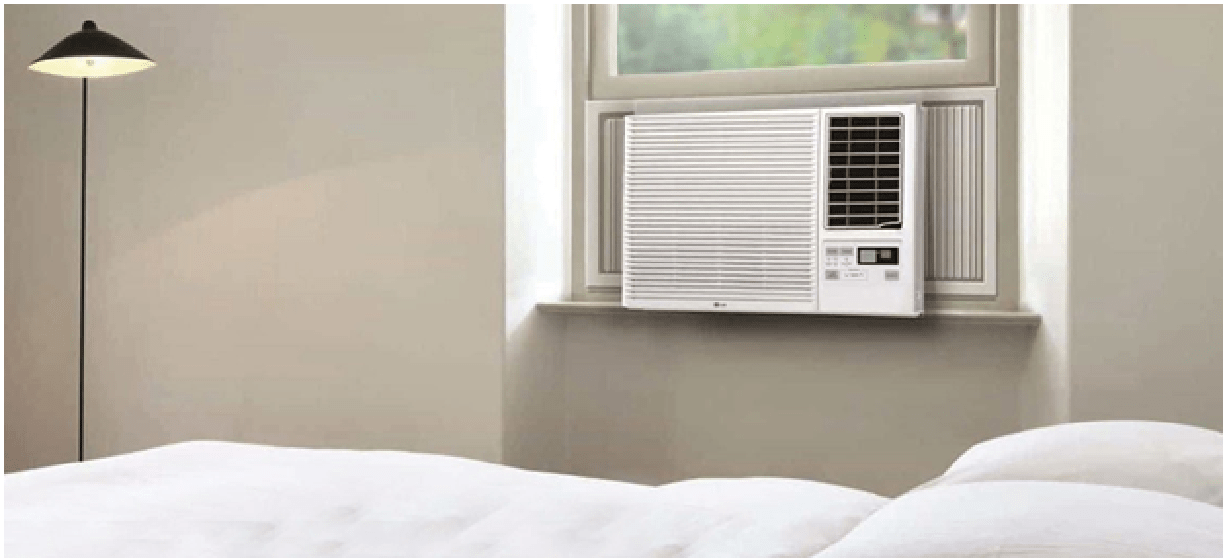
A Window AC unit is an ideal solution for creating a comfortable indoor environment without complexity. It delivers precise temperature control, keeping your room cool and refreshing throughout the day. Compact and easy to install, these units fit perfectly in windows without taking up extra space. The combination of quiet operation and energy efficiency makes it a preferred choice for homes, offices, and small spaces. Users can enjoy consistent cooling, reduced noise, and lower electricity bills while maintaining a pleasant atmosphere for work, rest, or family gatherings.

Efficient Cooling Performance

Window AC units are designed to provide rapid and consistent cooling for single rooms. The window ac unit uses powerful compressors and advanced cooling technology to maintain the desired temperature efficiently.

  • Quickly cools the room within minutes.
  • Maintains consistent temperature without frequent adjustments.
  • Ideal for bedrooms, living rooms, and small offices.

The efficient design ensures that every corner of the room benefits from the cooling, providing a comfortable environment even during peak summer months.

Quiet Operation for Peaceful Spaces

Window AC

Modern Window AC units are engineered for minimal noise, making them suitable for bedrooms, study areas, or workspaces. The noise level is significantly lower compared to traditional air conditioners, allowing uninterrupted focus or relaxation.

  • Operates quietly without disturbing conversations or sleep.
  • Smooth airflow design reduces sound levels.
  • Maintains comfort without compromising tranquility.

This feature makes it easier to enjoy cool air while reading, working, or spending quality time with family.

Energy-Smart and Cost-Effective

Energy efficiency is a key advantage of Window AC units. These systems are built to deliver maximum cooling while consuming minimal electricity, helping users save on energy bills.

  • Low power consumption without sacrificing performance.
  • Optimized compressor and fan settings reduce energy waste.
  • Eco-friendly operation contributes to sustainable living.

By combining efficiency and smart energy use, Window AC units offer a balance of comfort and affordability.

User-Friendly Features

Window AC units are straightforward to operate and maintain. They come with multiple features that enhance convenience and usability.

  • Adjustable thermostat for precise temperature control.
  • Easy-to-use remote control for flexible operation.
  • Filter systems that promote clean and fresh air.
  • Compact design fits most window sizes without extra installation hassle.

These features ensure that anyone can use the unit effortlessly while enjoying consistent cooling and air quality.

Window AC units provide a seamless combination of quiet operation, efficient cooling, and energy savings. With simple installation and user-friendly features, they are perfect for enhancing comfort in homes and small offices. Their compact design, minimal noise, and smart performance make them an excellent choice for anyone looking to enjoy reliable temperature control. Whether you are working, resting, or spending time with loved ones, a Window AC unit ensures a refreshing and peaceful indoor environment every day.

Create Shaded Outdoor Comfort Using A Sleek Wall Mounted Gazebo Today

Create Shaded Outdoor Comfort Using A Sleek Wall Mounted Gazebo Today

Transforming your backyard into a stylish and functional retreat has never been easier. A sleek wall mounted gazebo offers the perfect balance between elegance and practicality, allowing you to create a shaded haven for relaxation, gatherings, or quiet moments. With its versatile design, this addition not only enhances the aesthetics of your outdoor space but also maximizes comfort throughout the year.

Why Choose a Wall Mounted Gazebo?

A wall mounted gazebo is more than just a shelter it is a lifestyle upgrade. Unlike freestanding options, it integrates seamlessly with your home’s exterior, saving space while delivering a modern touch. Whether you have a small patio or a large deck, this structure makes your outdoor area more inviting.

Key benefits include:

  • Space efficiency – Perfect for compact patios or yards.
  • Stylish design – Sleek and modern look that elevates your home’s exterior.
  • All-season usability – Provides shade in summer and protection during light rain.
  • Versatility – Ideal for lounging, dining, or hosting gatherings.

Aecojoy

Enhance Outdoor Living in Style

Picture yourself enjoying your morning coffee in a shaded nook or hosting a weekend barbecue without worrying about the sun. A wall mounted gazebo transforms everyday activities into relaxing experiences. It also provides an extension of your living area, allowing you to enjoy the outdoors with the comfort of indoor convenience.

Perfect for Any Occasion

  • Family dinners under the stars.
  • A cozy reading space shielded from the sun.
  • Outdoor celebrations without weather worries.
  • A quiet retreat for yoga or meditation.

Pair It with Smart Outdoor Solutions

To make the most of your outdoor comfort, pair your gazebo with practical enhancements:

  • Outdoor seating sets – Comfortable chairs and tables complete the experience.
  • Lighting features – String lights or lanterns create a warm ambiance at night.
  • Green touches – Potted plants and hanging baskets bring freshness and color.
  • Outdoor storage shed – Keep cushions, tools, and seasonal items neatly tucked away, ensuring your gazebo area stays clutter-free and inviting.

Modern Outdoor Comfort

When it comes to achieving modern outdoor elegance, many homeowners look for stylish, functional, and durable solutions. The term Aecojoy has become closely associated with enhancing open-air living spaces where relaxation meets design. Integrating a wall mounted gazebo into your setup embodies this concept, offering the sleekness and comfort that today’s homeowners value.

Easy Installation and Lasting Value

Modern wall mounted gazebos are designed for simple installation, allowing you to upgrade your outdoor space without hassle. Built with durable materials, they withstand weather conditions and provide long-term value. With minimal upkeep, you can focus on enjoying your shaded retreat year after year. A sleek wall mounted gazebo is more than a shade solution it is a gateway to enhanced outdoor living. From cozy family moments to elegant gatherings, it adds beauty, functionality, and comfort to any space. Combined with smart accessories like an outdoor storage shed, you will create an organized, stylish, and welcoming retreat right outside your door.

How to Choose the Perfect Luxury Home Builder in Melbourne

How to Choose the Perfect Luxury Home Builder in Melbourne

Thinking about building your dream luxury home in Melbourne? It’s a huge investment, so finding the right builder is absolutely key. You want someone who “gets” your vision, delivers top-notch quality, and makes the whole process enjoyable—not stressful. Here’s how to make sure you pick the perfect luxury home builder for your project:

  1. Check Their Luxury Home Experience

Not all builders are created equal—especially when it comes to luxury homes! Ask yourself:

– How many luxury homes have they actually finished?

– Are they up-to-date with the latest trends (smart home tech, sustainable materials, etc.)?

– Do they have builder certifications and industry awards?

A builder with solid experience will know how to blend innovative techniques with timeless elegance—and they’ll have the credentials to prove it. For examples of exceptional craftsmanship and innovative design, take a look at Standout Projects .

  1. Dive Into Their Portfolio

Looking at a builder’s past work is one of the best ways to see what they’re capable of. Here’s what to look for:

Design Styles

– Modern masterpieces?

– Classic, elegant homes?

– Minimalist, eco-friendly spaces?

– Something totally unique?

Check that their style lines up with your vision.

Craftsmanship Quality

– How are the finishes and details?

– Do you see seamless joins and beautiful custom features?

– Are premium materials used throughout?

Great builders love to show off their best work, so don’t be shy about asking for examples.

  1. Read Reviews & Client Testimonials

Let’s be honest—builders will always show you their best side. To get the real story:

– Read independent reviews online.

– Look for detailed testimonials, not just star ratings.

– Focus on comments about communication, meeting deadlines, and handling issues.

Happy clients (and repeat customers!) are a big green flag. Watch out for recurring complaints or red flags.

  1. Inspect Craftsmanship & Materials

A luxury home should be built to last and look amazing. Ask your builder:

– “Where do you source your materials?”

– “Can I see examples of your craftsmanship up close?”

– “Are your materials locally sourced or international?”

You want a mix of expert artisanship and top-tier materials. Don’t settle for anything less!

  1. Double-Check Licensing, Insurance & Credentials

This is non-negotiable. Make sure your builder:

– Has all necessary local licenses

– Can show you proof of insurance (liability, workers’ comp, etc.)

– Is affiliated with industry organizations or has won awards

A reputable builder will have no problem providing this info.

  1. Understand Their Design & Customization Process

You want your home to feel like you, right? Here’s what to ask:

How do you collaborate on design?

– Do they hold workshops or brainstorming sessions with you?

– Are you involved in every step, or just at the beginning?

What are my options for materials and finishes?

– Do they offer lots of high-quality, sustainable, and luxury options?

– Are you limited to certain brands or styles?

How flexible is the planning?

– Will they adjust timelines or designs for you?

– Can they handle unique site requirements or special requests?

A good builder will be flexible, creative, and eager to make your vision a reality.

  1. Talk About Budget & Pricing Transparency

Luxury doesn’t mean “unlimited budget.” Make sure you:

– Get a detailed, itemized quote—no surprises!

– Ask for a clear breakdown of materials, labor, and extras.

– Discuss how changes or upgrades are handled financially.

A trustworthy builder will be upfront about costs and help you prioritize where to splurge or save.

  1. Evaluate Communication & Project Management Skills

This can make or break your experience. Look for a builder who:

– Keeps you updated regularly—no chasing required

– Has a clear process for scheduling and managing trades

– Handles issues proactively and transparently

Good communication means less stress, fewer surprises, and a smoother build from start to finish.

Final Thoughts

Building a luxury home in Melbourne should be exciting, not overwhelming. Take your time to:

– Check experience and credentials

– Review portfolios and testimonials

– Ask about process, materials, and communication

– Insist on transparency—financially and professionally

When you find a builder who ticks all these boxes and makes you feel confident, you’ll know you’re in good hands. Happy home building!

Upgrade Bathroom Style with Sleek, Elegant Countertops Instantly

Upgrade Bathroom Style with Sleek, Elegant Countertops Instantly

A stylish bathroom starts with the right countertops. Sleek, elegant surfaces instantly transform the space, adding a touch of luxury and modern design. Choosing the perfect countertop can enhance functionality while elevating the overall look of your bathroom. From durable materials to easy maintenance, the right countertop offers both beauty and practicality. Whether you prefer a glossy finish or a natural stone look, options are available to match any style. Upgrading your bathroom countertops is a simple yet impactful change that refreshes the entire room, making it feel inviting and sophisticated.

Why Choose Sleek Bathroom Countertops

Selecting modern countertops offers more than just a visual upgrade. Here’s why they are a smart choice:

  • Durability: Materials like quartz or granite resist scratches, stains, and moisture, ensuring long-lasting beauty.
  • Easy Maintenance: Smooth surfaces are simple to clean, saving time and effort on daily upkeep.
  • Style Variety: Countertops come in various colours, textures, and patterns, allowing for personalized bathroom design.
  • Increased Value: High-quality countertops add a premium feel, which can boost property appeal.

Bathroom Quartz Countertops

Popular Bathroom Countertop Materials

Different materials offer unique benefits and aesthetics. Consider these popular options:

  1. Quartz: Non-porous, scratch-resistant, and available in numerous colours, quartz is both practical and stylish.
  2. Granite: Offers natural beauty and heat resistance, making it a timeless choice for any bathroom.
  3. Marble: Elegant and classic, marble provides a luxurious look but requires careful maintenance.
  4. Solid Surface: Engineered for smoothness and seamless installation, ideal for modern designs.
  5. Laminate: Cost-effective and versatile, laminate offers a wide variety of patterns and finishes.

Tips for a Quick Bathroom Upgrade

Upgrading your countertops does not require a complete renovation. Consider these tips for an instant transformation:

  • Measure Accurately: Ensure the new countertop fits perfectly to avoid costly adjustments.
  • Choose a Matching Sink: Integrated or undermount sinks provide a seamless, sleek appearance.
  • Complement Fixtures: Pair countertops with faucets and lighting that highlight the material’s elegance.
  • Focus on Colour Scheme: Select colours that enhance the overall bathroom palette for a cohesive look.

Maintenance and Care

Proper care ensures your countertops remain elegant over time:

  • Regular Cleaning: Wipe surfaces daily with a mild cleanser or soap and water.
  • Avoid Harsh Chemicals: Strong chemicals can damage finishes, especially on natural stones.
  • Use Trivets and Mats: Protect surfaces from heat or heavy items to prevent scratches and stains.

Upgrading bathroom countertops in Sanford is a simple way to elevate style and functionality. With sleek designs, durable materials, and minimal maintenance, modern countertops offer both beauty and practicality. Choosing the right surface enhances the overall aesthetic and creates a welcoming, luxurious environment. By selecting quality materials and following care tips, your bathroom can enjoy a fresh, sophisticated look that lasts for years. Whether you aim for elegance or modern charm, a countertop upgrade provides instant style transformation with lasting impact.

Making Luxury Living Accessible Through Whole Home Customization Supplier

Making Luxury Living Accessible Through Whole Home Customization Supplier

Making luxury living accessible through a whole home customization supplier is a transformative approach that redefines how homeowners experience their living spaces. Traditionally, luxury homes were associated with extravagant costs, exclusive designs, and a one-size-fits-all approach that made personalization difficult and often prohibitively expensive. However, the rise of whole home customization suppliers is changing this narrative by offering tailored solutions that bring high-end living within reach for a wider audience. These suppliers specialize in providing comprehensive design and build services that integrate every element of a home, from architectural details and interior finishes to smart home technology and bespoke furnishings. By doing so, they ensure that each home reflects the unique lifestyle, tastes, and needs of its occupants, creating spaces that are not only beautiful but also functional and deeply personal. One of the key ways whole home customization suppliers make luxury accessible is through the seamless coordination of all aspects of the homebuilding process. Instead of homeowners having to deal with multiple contractors, designers, and vendors, these suppliers serve as a single point of contact that oversees everything from initial concept to final installation.

House Customization

This integrated approach reduces the complexity and stress often associated with building or renovating a home, allowing homeowners to enjoy a smooth, efficient journey toward their dream residence.  Additionally, customization suppliers often have established relationships with premium manufacturers and artisans, which enables them to source high-quality materials and products at more competitive prices. This advantage helps to keep costs more manageable without compromising on quality or style. Moreover, whole home customization china suppliers leverage cutting-edge technology and innovative design techniques to optimize both aesthetics and sustainability. For example, incorporating energy-efficient appliances, smart lighting systems, and advanced insulation materials ensures that luxury homes are not only stunning but also environmentally responsible and cost-effective to maintain. Many suppliers also focus on universal design principles, making homes adaptable to different life stages and accessibility needs, thereby broadening the appeal of luxury living. The ability to customize floor plans, finishes, and features means that clients can prioritize what matters most to them, whether it is a gourmet kitchen, a spa-like bathroom, expansive outdoor living areas, or integrated home entertainment systems.

These suppliers often work closely with clients to capture their lifestyle preferences and habits, ensuring the home supports daily routines and long-term aspirations. This client-centric philosophy transforms homes into sanctuaries where every detail is intentional and contributes to a sense of comfort, convenience, and well-being. Whether it is through the selection of bespoke cabinetry, custom lighting designs, or personalized smart home integrations, the end result is a residence that feels truly one-of-a-kind. Ultimately, whole home customization suppliers democratize luxury living by breaking down the barriers of cost, complexity, and cookie-cutter design. They empower homeowners to envision and realize homes that reflect their individuality and aspirations without the overwhelming challenges traditionally associated with luxury construction. As a result, more people can enjoy the benefits of sophisticated, thoughtfully crafted living environments tailored precisely to their desires. This shift not only enhances the quality of life for homeowners but also elevates the standards of residential design and construction as a whole, making luxury living an attainable reality rather than an exclusive dream.