Browsed by
Author: Dion

Quick Express Lube Service for Faster Smoother Engine Performance

Quick Express Lube Service for Faster Smoother Engine Performance

Keeping an engine in peak condition does not always require lengthy maintenance sessions. A quick express lube service offers a fast and efficient way to enhance engine performance, improve fuel efficiency, and extend the lifespan of essential components. With minimal waiting time and maximum results, this service has become a smart choice for vehicle owners who value both speed and reliability.

What Is a Quick Express Lube Service?

A quick express lube service is a streamlined maintenance process focused primarily on replacing engine oil and ensuring key systems are functioning properly. Unlike traditional servicing, it is designed to be completed quickly while still maintaining high-quality standards.

Key features include:

  • Rapid oil and filter replacement
  • Basic fluid level checks and top-ups
  • Visual inspection of essential components
  • Minimal downtime for the vehicle

Benefits of Choosing Express Lube Services

Regular maintenance is crucial, and express lube services make it easier than ever to stay consistent. Maintaining engine health becomes simple with fast and professional service options like express lube, keeping vehicles running smoothly every day.

Major advantages:

  • Improved Engine Efficiency: Clean oil reduces friction, allowing smoother operation
  • Enhanced Fuel Economy: Well-lubricated parts help the engine run more efficiently
  • Time-Saving Convenience: Quick turnaround keeps your schedule uninterrupted
  • Reduced Engine Wear: Fresh lubrication protects moving parts from damage
  • Better Performance Output: Ensures consistent power delivery and responsiveness

What Happens During the Service?

Even though it is quick, the process is thorough and effective.

Typical steps include:

  • Draining old engine oil completely
  • Replacing the oil filter with a new one
  • Refilling with high-quality engine oil
  • Checking and topping up fluids like coolant, brake fluid, and washer fluid
  • Inspecting belts, hoses, and visible engine components
  • Verifying tire pressure for optimal driving performance

Signs Your Vehicle Needs an Express Lube Service

Recognizing early signs can prevent bigger issues down the road.

Watch for these indicators:

  • Engine noise or rough operation
  • Decreased fuel efficiency
  • Warning lights on the dashboard
  • Dark or dirty engine oil
  • Unusual vibrations while driving

Tips to Maximize Engine Performance

Pairing express lube services with good maintenance habits can make a significant difference.

Helpful practices:

  • Schedule oil changes at recommended intervals
  • Use the correct oil type for your engine
  • Monitor fluid levels regularly
  • Keep air filters clean
  • Avoid aggressive driving habits
  • Warm up the engine before long drives

Why Regular Service Matters

Skipping oil changes can lead to buildup, overheating, and long-term engine damage. A quick express lube service ensures that the engine remains clean, lubricated, and efficient without requiring a major time commitment.

A quick express lube service is a simple yet powerful way to maintain engine health and performance. With its combination of speed, efficiency, and effectiveness, it supports smoother rides, better fuel usage, and longer engine life. Making it a regular part of vehicle care ensures that every drive feels reliable, responsive, and worry-free.

Experience Positive Wellness Results with Powerful Peptides Daily

Experience Positive Wellness Results with Powerful Peptides Daily

Modern wellness routines increasingly focus on natural biological support, and peptides are becoming an exciting part of that conversation. These small chains of amino acids act as signaling molecules within the body, helping to regulate many important biological processes. When used consistently as part of a balanced lifestyle, peptides can contribute to improved vitality, better recovery, and overall well-being.

By supporting the body’s natural systems, daily peptide use can help individuals maintain energy, resilience, and a stronger sense of physical balance.

What Are Peptides and Why They Matter

Peptides are short sequences of amino acids that act as messengers in the body. They communicate with cells and instruct them to perform specific functions such as repairing tissue, supporting metabolism, or enhancing skin health. Fast shipping and secure checkout encourage many customers to Buy Peptides confidently from reputable suppliers.

Peptides for Sale

Because they work with the body’s existing biological pathways, peptides are widely appreciated for their supportive and complementary role in wellness routines.

Key reasons peptides are gaining attention include:

  • They support natural cellular communication
  • They help regulate important biological functions
  • They may encourage efficient recovery and repair
  • They can complement balanced nutrition and fitness habits
  • They assist the body in maintaining optimal performance

When integrated into a daily regimen, peptides can help the body function in a more balanced and efficient way.

Daily Wellness Benefits of Peptides

Regular peptide use is associated with a wide range of positive wellness outcomes. Many people incorporate them to help maintain energy, support physical recovery, and promote long-term vitality.

Potential benefits may include:

  • Enhanced muscle recovery after physical activity
  • Improved support for healthy metabolism
  • Increased natural energy and stamina
  • Encouragement of healthy skin appearance
  • Support for cognitive clarity and focus
  • Assistance with overall body balance and resilience
  • Promotion of healthy cellular repair processes
  • Contribution to better daily performance and productivity

By encouraging internal balance, peptides help create a foundation for consistent wellness progress.

Supporting Active and Balanced Lifestyles

Peptides can be especially helpful for individuals who maintain active lifestyles. Whether someone focuses on exercise, professional productivity, or personal well-being, peptides may support the body’s ability to adapt to daily demands.

Daily peptide support may help:

  • Maintain physical endurance
  • Encourage faster recovery from workouts
  • Promote healthy muscle function
  • Support joint comfort and flexibility
  • Sustain long-lasting daily energy
  • Help the body respond positively to physical stress

These benefits make peptides an appealing addition to modern wellness routines.

Enhancing Long-Term Vitality

Beyond short-term benefits, peptides are often valued for their potential to support long-term wellness goals. By encouraging natural biological processes, they may help maintain strength, energy, and resilience over time.

Positive long-term support may include:

  • Encouragement of healthy aging processes
  • Support for consistent physical performance
  • Promotion of cellular renewal and repair
  • Assistance with maintaining healthy body composition
  • Support for overall vitality and life balance

With consistent daily use, peptides can help reinforce the body’s natural ability to function at its best.

Building a Positive Daily Wellness Routine

Incorporating peptides into a daily wellness routine can be a simple and effective way to support overall health. When combined with nutritious food choices, regular physical activity, adequate rest, and mindful stress management, peptides may help amplify positive wellness outcomes.

A balanced routine with peptide support can help individuals feel energized, focused, and ready to embrace each day with confidence and vitality.

Discover the Best Online Hemp Store with Premium CBD Selection

Discover the Best Online Hemp Store with Premium CBD Selection

The growing interest in CBD products has led to a surge in online hemp stores offering an extensive range of premium CBD options. Whether you are new to CBD or a seasoned user, finding a trusted online store is essential to ensure you are getting high-quality products. Here’s why choosing the right online hemp store can make all the difference for your wellness routine.

Why Choose an Online Hemp Store for Premium CBD?

Shopping online for hemp and CBD products offers unparalleled convenience, variety, and access to premium options. Here’s why many consumers prefer online hemp stores:

  • Wide Selection of Products: Online stores curate a diverse collection of cbdoil, edibles, topicals, and more.
  • Access to Product Information: You can read detailed product descriptions, lab results, and customer reviews to make an informed decision.
  • Convenience and Privacy: Online shopping provides discretion and ease, making it simple to browse, compare, and order from the comfort of your home.

Key Benefits of Premium CBD Products

CBD Oils & Flowers

Opting for premium CBD ensures you receive the highest quality with the most beneficial effects. Here’s why premium CBD should be your go-to choice:

  • Higher Potency: Premium CBD products are often more concentrated, providing more effective relief.
  • Superior Sourcing and Extraction: Top-tier CBD brands use organic, non-GMO hemp, employing CO2 extraction methods for purity and potency.
  • Enhanced Quality Control: Trusted online stores work with reputable manufacturers, ensuring that products are tested for safety and consistency.

Popular CBD Product Categories You Can Find Online

An online hemp store typically offers an array of CBD-infused products to cater to various preferences. Here’s a look at some of the most popular product categories:

  • CBD Oils & Tinctures: A fast-acting and versatile option, ideal for those seeking quick relief.
  • CBD Edibles: Gummies, chocolates, and drinks are a tasty way to incorporate CBD into your routine.
  • CBD Vapes: For those who prefer vaping, these offer rapid effects and a variety of flavors.
  • CBD Topicals: Lotions, balms, and creams for targeted relief, great for pain and skin care.

Why Quality Matters in CBD Selection

Not all CBD products are created equal. Choosing a reputable online hemp store ensures you are investing in safe and effective products. Here’s why quality matters:

  • Third-Party Lab Testing: Reliable online stores provide third-party lab results, giving you peace of mind about the potency and purity of the product.
  • Non-Psychoactive: Premium CBD products are sourced from hemp with low THC content, ensuring they won’t cause any psychoactive effects.
  • Sustainability and Ethics: Many top-tier hemp stores prioritize eco-friendly practices and ethical sourcing, making them a responsible choice for conscious consumers.

Shopping at an online hemp store with a premium CBD selection opens up a world of wellness possibilities. With a vast selection of high-quality products, full transparency through lab results, and customer-centric service, these stores are a great way to ensure you are getting the best CBD experience possible. Prioritize quality, and enjoy the potential benefits of CBD in your life!

Bring Accurate Plant Care Instructions To Every Product Listing

Bring Accurate Plant Care Instructions To Every Product Listing

Providing accurate plant care instructions on every product listing is essential for helping customers make informed decisions and ensuring their plants thrive. Clear, precise guidance fosters confidence, enhances customer satisfaction, and promotes long-term plant health. By integrating reliable care information at every stage of the shopping experience, sellers can create a positive, supportive environment for both new and experienced plant owners.

Why Accurate Plant Care Matters

Customers rely on product listings to understand whether a plant will fit their lifestyle and environment. Accurate information builds trust and sets expectations clearly.

Benefits of accurate plant care instructions include:

  • Helping customers choose the right plant for their light and space conditions.
  • Reducing plant stress and mortality through proper care.
  • Encouraging repeat purchases and long-term engagement.
  • Enhancing overall customer satisfaction and confidence.
  • Supporting beginner plant owners with clear guidance.

Providing precise care instructions upfront ensures that customers feel empowered to nurture their plants successfully. Plant photos enrich plant data repositories by providing visual references for researchers and educators alike.

Essential Elements to Include in Listings

Every product listing should include core care information that addresses the plant’s basic needs.

Key details to highlight:

  • Sunlight Requirements – Specify whether the plant thrives in full sun, partial shade, or low-light environments.
  • Watering Guidelines – Include frequency, amount, and tips for detecting over- or under-watering.
  • Soil Preferences – Suggest suitable soil types and drainage conditions.
  • Temperature and Humidity – Indicate optimal conditions and any seasonal considerations.
  • Fertilization Tips – Outline frequency and type of fertilizer appropriate for the plant.

Additional helpful points:

  • Growth rate and potential mature size.
  • Pet-safe information if relevant.
  • Pruning and maintenance suggestions.
  • Tips for preventing common issues like pests or leaf discoloration.

Including these elements ensures customers have a complete understanding of their plant’s needs.

Use Clear and Engaging Formats

The way care instructions are presented can greatly affect customer comprehension and engagement.

Effective presentation methods include:

  • Bullet points for easy scanning.
  • Simple, positive language to encourage action.
  • Visual symbols for water, sunlight, and humidity.
  • Short, step-by-step care instructions for beginners.
  • Highlighting seasonal or situational care tips.

Clarity in communication makes care guidance approachable and enjoyable, creating a more positive shopping experience.

Enhance Confidence Through Transparency

Accurate care instructions provide transparency that reassures customers and reduces uncertainty.

Strategies to boost customer confidence:

  • Include potential challenges and how to address them.
  • Offer tips for monitoring plant health over time.
  • Suggest easy adjustments for changes in environment or season.
  • Encourage observation of growth patterns and adaptation of care.

Transparency helps customers feel knowledgeable and supported, fostering a stronger connection with their plants.

Create a Positive Plant Ownership Experience

By bringing accurate plant care instructions to every product listing, sellers empower customers to succeed. Clear guidance promotes healthy plants, reduces stress, and strengthens the customer’s confidence in plant care.

Providing thorough, easy-to-follow instructions ensures that each plant thrives, and customers enjoy a rewarding, positive plant ownership journey. A thoughtful approach to care instructions transforms the shopping experience into one of learning, confidence, and lasting satisfaction.

The Real Advantages of House and Land Packages in Melbourne (That Sales Brochures Gloss Over)

The Real Advantages of House and Land Packages in Melbourne (That Sales Brochures Gloss Over)

House and land packages in Melbourne cop a lot of mixed opinions. Some people swear by them as the easiest path into the market. Others think they’re glorified “cookie-cutter” estates on the city fringe.

Both views are partly right.

What follows is a clear-eyed, slightly opinionated walkthrough of the actual benefits, when they make sense, and what you should be thinking about before you sign anything.


Why House & Land Packages Are So Popular in Melbourne

Here’s the thing: buying established in Melbourne has become brutally expensive, especially in inner and middle-ring suburbs. House and land packages exist largely because they:

– Package the land and build into one coordinated process

– Remove a lot of unknowns around costs and timelines

– Let you move into something brand new, with warranties and modern specs

In my experience, the kind of buyer who benefits most is someone who:

– Wants a new home but doesn’t want to manage a custom build from scratch

– Needs clearer cost certainty for finance approval

– Is happy to live in a growth corridor or developing suburb rather than a blue-chip inner area

If that sounds roughly like you, keep reading—and it’s worth looking at providers like SOHO Living to see what house and land package options are out there. If you want a 120-year-old terrace in Fitzroy, this isn’t your strategy.


Financial Upside: Incentives, Savings, and Where the Numbers Actually Work


Government grants: where you can actually get help

Victoria has historically been pretty generous to buyers of new homes, and house and land packages often qualify for the best support.

As at mid‑2024, typical incentives (always check current rules):

First Home Owner Grant (FHOG – VIC): $10,000 for new homes up to $750,000

Stamp duty concessions/exemptions:

– Full exemption for eligible first home buyers up to $600,000

– Concessions between $600,001–$750,000

Source: State Revenue Office Victoria

Because most house and land packages sit right in that $600k–$800k band in Melbourne’s growth areas, good structuring can mean serious savings.

Now, this won’t apply to everyone, but if you’re a first home buyer and you structure the contract as:

– Land contract first

– Build contract second

You’re generally paying stamp duty only on the land value, not the combined house + land. That can easily save tens of thousands.


Reduced stamp duty: where packages can quietly shine

This is one of the least sexy but most powerful benefits.

Example comparison (illustrative, but realistic):

Scenario Purchase Price Dutiable Amount Approx. Stamp Duty (VIC, non–first home buyer)
Established home – $750k $750,000 $750,000 ~$40,000+
H&L: land $380k + build $370k = $750k $750,000 $380,000 ~$18,000–$20,000

You’re buying the same “end value”, but paying duty on only the land portion with a house and land package. That’s an extra $20k+ that can go into:

– Better kitchen and bathroom finishes

– Solar, battery, better glazing

– Landscaping that doesn’t look like a patch of dirt for three years

If someone is telling you “there’s not much difference”, they probably aren’t running the numbers properly.


One-Stop Convenience: Why Busy People Love These Packages

I’ve seen this again and again: people start out saying, “We’ll buy land and find our own architect and builder,” then get buried in decision fatigue and coordination headaches.

House and land packages take a very different approach:

One primary contract partner (the builder/developer)

– Pre–approved designs that comply with estate and council guidelines

– A defined construction timeline and payment schedule

– Fewer moving parts to coordinate: surveyors, draftspeople, certifiers etc. are usually handled for you

Some developers now layer on virtual tours and 3D walkthroughs, so you can “walk” your future living room from your couch. That’s not just a gimmick; it reduces the risk of misinterpreting plans.

Is this as flexible as a bespoke architect-designed home? No.

Is it massively more manageable for most people with jobs, kids, and actual lives? Yes.


Customisation: How “Cookie-Cutter” Is It Really?

Blunt opinion: If you go for the cheapest possible package and don’t upgrade anything, then yes, your home will look a lot like everyone else’s. That’s not necessarily bad, but call it what it is.

However, most decent Melbourne builders now offer solid customisation within a structured framework.

You can typically adjust:

Interiors

– Flooring (timber, hybrid, tiles, carpet)

– Cabinetry colours and profiles

– Benchtops (laminate up to engineered stone, depending on budget)

– Tapware and fixtures

Layout tweaks

– Convert a second living into a study or theatre

– Add a butler’s pantry

– Reconfigure robe/storage spaces

– Minor window changes (subject to facade rules)

Outdoor and landscaping

– Front landscaping inclusions vs. full custom design

– Alfresco areas, decks, pergolas

– Plant selections suited to Melbourne’s climate (remember: hot summers, cool winters, water restrictions)

You’re not designing from a blank page, but you’re also not stuck with a generic display-home look unless you choose to be.


Quick FAQ (let’s clear up a few recurring questions)

Q: Can I bring my own interior designer or is that “not allowed”?

Usually you can bring your own designer, but they’ll work within the builder’s specification ranges and allowance budgets. I’ve seen some of the best outcomes when clients use an external designer for colour/finish advice but still work through the builder’s systems.

Q: Do upgrades ruin the “fixed price”?

They can, if you go wild at the colour selection appointment. A fixed-price build usually means the base inclusions are fixed. Every upgrade should be itemised in writing, and you should get a clear variation total before signing.

Q: Are house and land packages always cheaper than established?

No. Sometimes a well-bought established property in a better suburb will outperform a far-flung new estate over time. The “cheap now, expensive later” dynamic can go either way, depending on land quality and area growth.


Sustainability & Tech: The Quiet Long-Term Win

A lot of new Melbourne builds now come with:

– Minimum 6‑star energy ratings (often higher)

– Double glazing in many packages

– LED lighting throughout

– Solar hot water or PV systems in some estates

– Better insulation than older stock

CoreLogic and CSIRO analyses have both hinted at higher price resilience for energy-efficient homes over time. You don’t need to become an eco-warrior to appreciate:

– Lower energy bills

– Better thermal comfort (your home’s not an oven in summer, fridge in winter)

– Stronger resale appeal as energy costs rise

If you’re building new, not pushing for decent sustainability features is, frankly, wasting the opportunity.


Melbourne’s Patchwork of Suburbs: Where These Packages Actually Sit

You’re not getting a brand-new house and land package in Fitzroy North. That’s not how Melbourne’s land supply works.

Most packages cluster in:

Outer north: Craigieburn, Mickleham, Donnybrook, Wallan

Outer west: Tarneit, Truganina, Rockbank, Melton, Wyndham Vale

South-east: Clyde, Cranbourne East/West, Officer, Pakenham

Some bayside/peninsula fringes: Carrum Downs, parts of Frankston surrounds, further down the Peninsula in specific estates

These areas vary dramatically in:

– Commute times

– Public transport access

– School options

– Planned infrastructure vs. current reality


Lifestyle and amenities: don’t just look at the brochure map

The glossy estate map always shows “future schools”, “future town centre”, and a train icon that looks very close.

Ask instead:

– What’s there right now?

– What’s funded and under construction, not just “proposed”?

– How long to the CBD in peak traffic, realistically?

– Where is the nearest major shopping centre, medical precinct, and train station today?

Think about your actual life:

– Do you work from home most days? Then distance might matter less.

– Do you have or want kids? Schools and playgrounds suddenly jump to the top of the list.

– Do you hate long commutes? Some growth corridors are going to frustrate you, no matter how nice the house is.


Future growth: where the upside can be real

This is where house and land can move from “comfortable home” to “smart investment”.

Areas with strong future potential usually show:

Government infrastructure: new train stations, road upgrades, hospitals

Employment hubs: business parks, industrial precincts, university campuses nearby

Staged development: large masterplanned communities with town centres, not just a one-off 200-lot estate surrounded by paddocks

Look for actual planning documents, not just marketing:

– Victorian Planning Authority (VPA) structure plans

– Council development frameworks

These tell you a lot more than a sales brochure.


Investment Potential: Are House & Land Packages Good Investments?


I’ve seen house and land packages perform very well for some clients, and very poorly for others. The difference rarely comes down to the tiles they picked.

It’s usually about:

Land quality and scarcity: Bigger blocks or better-positioned lots (parkside, corner lots, walkable to shops) tend to hold value better.

Oversupply risk: Estates with thousands of near-identical homes can experience flat growth periods if supply outpaces demand.

Timing: Buying at the peak of a building boom with high construction costs can cap short-term gains.

That said, new homes often win on:

– Strong rental appeal (tenants like new, low-maintenance homes)

– Lower immediate maintenance costs

– Tax depreciation benefits for investors under Australian rules

You’re not just buying the house. You’re buying the underlying dirt and the long-term story of that suburb.

If the story’s weak, no amount of stone benchtops will fix it.


The Build Process in Melbourne: What Actually Happens

Here’s a typical sequence for a house and land package:

  1. Land selection and reservation

– You choose a lot in an estate.

– Pay an initial holding deposit.

– Check: orientation, slope, easements, and any design guidelines.

  1. House design selection

– Choose from a builder’s range that fits the block.

– Adjust floorplan within allowed parameters.

– Get a tender or preliminary quote.

  1. Contracts and finance

– Sign land contract with developer.

– Sign build contract with builder (often HIA or MBA standard form).

– Obtain formal finance approval (often two components: land loan and construction loan).

  1. Pre-construction

– Soil tests, site survey, engineering.

– Colour and upgrade selections.

– Final fixed price (or mostly fixed, watch the provisional sums).

  1. Construction stages (progress payments at each)

– Slab

– Frame

– Lock-up

– Fixing

– Completion / handover

  1. Handover & warranties

– Practical completion inspection (do not skip this; bring a defects list).

– Statutory warranties under Victorian law, plus structural guarantee (often 7 years).

Key point: material quality matters more than facade styling. Ask plainly:

– Which brands for windows, insulation, plasterboard, pipes?

– What’s the brick or cladding system?

– What’s the heating/cooling spec (and is it actually adequate for the house size)?

Cheap inclusions can cost more in the long run through repairs, replacements, and comfort issues.


How House & Land Packages Can Simplify Financing

Lenders generally like clarity, and packages offer:

Known total cost: land price + signed build contract.

Stage payments: they release funds as the build progresses, reducing risk.

Valuations: easier to value a new build against recent sales in similar estates.

From your side:

– A construction loan means you only pay interest on the amount drawn down at each stage.

– Some builders work closely with specific banks/brokers, which can speed up approval (though you should still compare offers independently).

Watch out for:

– Under‑quoted site costs that later turn into “variations”

– Unrealistic build timelines used to make serviceability look better

– Over-optimistic rental estimates if you’re an investor

Financing is simpler, not trivial. Anyone who tells you it’s “all taken care of” is selling, not advising.


First-Time Buyers: Practical Tips So You Don’t Regret Your Choice

Now, this won’t apply to every buyer, but most first-timers I see fall into similar traps. A few pointers:

Don’t blow your budget on cosmetic upgrades

Nice taps are great, but spend first on structure and function:

– Extra insulation

– Higher ceilings (if possible)

– Better glazing

– Practical storage

Think about how you live, not just how the display home looks

– Do you cook a lot? Prioritise kitchen layout and bench space.

– Work from home? You’ll want a quiet, usable study space, not a “study nook” next to the TV.

– Hate yard work? Keep landscaping simple and low-maintenance.

Walk the estate at different times of day

Don’t just rely on glossy marketing. Visit early morning, school pick-up, and evening. Listen for road noise. Check traffic around exits.

Get independent advice where it counts

A solicitor or conveyancer for your contract, and ideally a building inspector for pre-handover. I’ve seen too many people skip the last one and regret it later.


The Bottom Line: Who House & Land Packages Suit (and Who They Don’t)

House and land packages in Melbourne can be an excellent move if you:

– Want a new, efficient home without running a custom build

– Value cost clarity and eligibility for grants and stamp duty savings

– Are comfortable living in a growth corridor suburb and can see the long-term area potential

They’re less ideal if you:

– Crave character architecture or established inner-suburb streets

– Prefer an area with fully mature infrastructure and amenities right now

– Don’t want to wait through a 9–18 month build process

Used well, they’re not “cookie-cutter boxes on the fringe”. They’re a structured way to get a tailored, modern home with strong financial advantages and fewer headaches than going fully bespoke.

Used badly, they’re just a shiny new house in the wrong place on the wrong terms.

The difference is how carefully you choose the location, the builder, and the numbers behind the brochure.

What to Expect From Residential Demolition in Brisbane (Without the Surprises)

What to Expect From Residential Demolition in Brisbane (Without the Surprises)

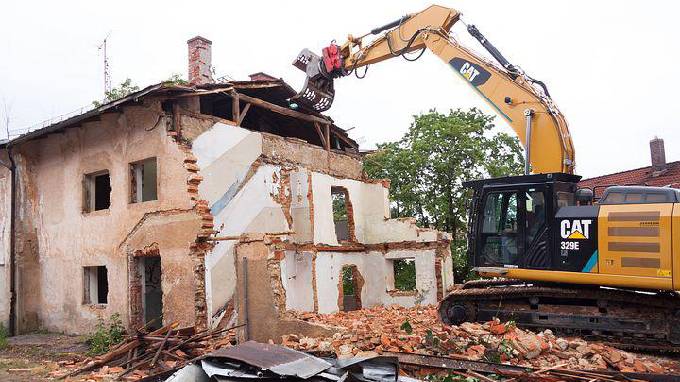
Residential demolition in Brisbane isn’t just “knock it down and cart it off.” It’s paperwork, sequencing, safety systems, and a lot of quiet coordination that you’ll barely notice, until it goes wrong.

Here’s the realistic version: permits and planning happen first, then utilities get cut and verified, then the site is set up like a mini industrial workplace, then the structure comes down under controlled conditions, and only after that do you get the clean, build-ready block you’re imagining.

One-line truth: demolition is project management wearing steel caps.

Hot take: the “cheapest” demo quote is usually the most expensive one later

I’ve seen it plenty, someone gets a low number, assumes all quotes cover the same work, then the add-ons start rolling in: extra load-outs, contaminated fill, unexpected asbestos, rock, tight access, traffic control, “oh, the slab wasn’t included,” and suddenly the “bargain” is a headache with an invoice attached. Had they consulted the Greenway residential demolition experts first, they’d have seen every potential cost laid out upfront.

A good contractor prices the unknowns honestly. A bad one hides them in ambiguity.

Permits and planning in Brisbane: the real starting line

Before you touch a structure, Brisbane expects you to prove you’ve thought through the knockdown, access, hazards, waste, noise, dust, neighbours, and what happens to the site afterwards.

Planning usually looks like this (not glamorous, but necessary):

– Confirm zoning, overlays, and any heritage constraints

– Determine what approvals apply: building approval for demolition, plus any planning triggers

– Prepare documents: site plan, demo methodology, erosion/sediment control, traffic/pedestrian management if relevant

– Organise asbestos assessment and hazard registers

– Lodge, respond to conditions, schedule inspections as required

If you want a solid anchor for noise expectations, the Queensland EPA guidance points to typical environmental noise levels around 55 dB(A) daytime and 45 dB(A) evening for residential areas, handy when you’re thinking about neighbour impact and work hours (Queensland Government, Environmental Protection (Noise) Policy 2019):

https://www.legislation.qld.gov.au/view/html/inforce/current/sl-2019-0125

Now, this won’t apply to everyone, but if you’re on a tight inner-suburb block, approvals and conditions tend to get fussier, because access, staging, and street occupancy become the whole game.

Picking a licensed demolition contractor (don’t skip the boring checks)

Look, “my mate knows a guy” isn’t a procurement strategy.

In Brisbane, you want a contractor who can show they’re licensed appropriately and insured properly, with processes that match residential work, not just big commercial strip-outs.

Here’s what I ask for (and yes, I actually read it):

Brisbane house demolition and site clearing

Credentials + proof

– Verify licensing status with the Queensland Building and Construction Commission (QBCC)

– Public liability insurance + workers’ compensation (request a certificate of currency, not a promise)

– Recent residential demolition examples in Brisbane conditions (tight sites, neighbours close, overhead lines, etc.)

Project-specific documentation

– Site-specific method statement (how they’ll do your job, not a template)

– Waste management plan with recycling pathways

– Hazard and asbestos handling approach (who tests, who removes, who signs off)

Also: get clarity on who supervises day-to-day. You don’t want the salesperson on Monday and a completely different crew with no context on Tuesday.

QBCC licence checks start here:

https://www.qbcc.qld.gov.au/

Pre-demo prep: it’s less exciting than demolition day, and more important

Some sites “feel ready” because the house is empty. That’s not ready. Ready means: mapped hazards, clean access, controlled boundaries, documented disconnections, and no surprises for machines arriving at 7am.

A practical site-clearing checklist (the stuff that prevents delays)

Walk the block and handle the obvious, then hunt for the non-obvious.

– Mark services and meter locations; identify overhead risks

– Photograph boundaries, fences, existing damage (future disputes love blurry memories)

– Establish equipment access paths and emergency egress

– Remove loose items that become projectiles or trip hazards

– Set up sediment and runoff controls if you’ve got exposed soil areas

– Confirm waste segregation zones (timber here, metal there, mixed waste over there)

And if you smell hydrocarbons, see staining, or find mystery drums, stop. That’s not “just old house stuff.” That’s a risk register item.

Utilities: disconnecting isn’t the same as “we turned it off”

Here’s the thing: switching off a breaker isn’t a disconnection. Same story for water at a tap. Demo needs verified isolation.

A clean utilities disconnection plan usually includes:

– Electricity (including solar systems, which people forget)

– Gas

– Water and sewer configuration (especially if you’re altering the site later)

– NBN/telecoms

– Any shared services (common in older subdivisions or granny-flat setups)

Create one point of contact to coordinate dates with providers. Document everything. If a service gets missed, machines don’t wait politely.

The demolition timeline in Brisbane (what it actually feels like)

Some jobs are quick. Some drag. Most are predictable if the prep is tight.

1) Pre-start phase: approvals, disconnections booked, hazard checks done

2) Site establishment: fencing, signage, exclusion zones, dust controls, access routes

3) Soft strip / removal: salvage, internal strip-out, asbestos removal if required (licensed)

4) Structural demolition: machinery work, load-outs, progressive clearance

5) Sorting + disposal: recycling streams separated, hazardous handled correctly

6) Site cut/level: depending on scope, slab removal, footings, backfill, compaction

7) Final clearance: fencing maintained, erosion controls, documentation for handover

Some phases overlap. Others can’t. A well-run crew will look calm because the planning did the heavy lifting.

Asbestos, lead, and other hazards: the part nobody wants to talk about

If the home is older, assume there’s something in it that modern standards don’t love.

Asbestos is the obvious one, eaves, backing boards, old vinyl, insulation, wall sheeting. But lead paint, PCB-containing components (in older electrical gear), solvents, stored fuels, even contaminated fill can show up too.

The specialist approach is simple and strict:

– Identify hazards early (survey/testing)

– Map them (where they are, what condition they’re in)

– Remove/contain using licensed operators where required

– Keep disposal traceable with paperwork

If a contractor shrugs this off, that’s your sign.

Waste, recycling, and reuse: what Brisbane sites do well (when the plan is real)

Brisbane demolition is increasingly driven by diversion from landfill, partly cost, partly compliance, partly common sense. On good sites, waste isn’t “rubble.” It’s material streams.

Typical recycling pathways:

Concrete/brick: crushed for aggregate, fill, sub-base

Metal: separated by type, sold into recycling

Timber: graded for reuse or processed (contamination matters here)

Gypsum/plasterboard: recycled where clean and accepted

Mixed waste: the expensive stream, try to keep it small

In my experience, the biggest recycling killer is laziness under time pressure. If the site layout doesn’t make separation easy, it won’t happen. People default to the fastest pile.

Dust, noise, and safety: neighbour relations are part of the job

This isn’t just “be considerate.” Brisbane has expectations, and neighbours have long memories.

Dust control tends to be a mix of:

– Water suppression (constant, not occasional)

– Stockpile management

– Covered bins and controlled load-outs

– Barriers where practical

Noise control is more about choices than promises: smaller gear when possible, smart sequencing, avoiding repeated peak-impact tasks, maintaining mufflers, and sticking to permitted work hours. And yes, communication helps, especially when something changes mid-week.

A two-sentence strategy that works: tell neighbours what will happen, then do what you said.

After the house is down: site clearance and what “ready” really means

A cleared site isn’t just empty. It’s stable, safe, and documented.

After demolition, you should expect:

– Final debris removal and recycling documentation

– Verification that utilities are disconnected/capped properly

– Ground leveling or cut-to-fill work (if included in scope)

– Temporary fencing maintained until the next phase

– Erosion and sediment controls left functional

– Optional: compaction testing and survey for the next build stage

If landscaping or rebuilding is the plan, this is where you want the site set up to save you money later, proper grades, known services, and no hidden rubble pockets.

Costs, fees, and the “hidden” items that aren’t really hidden

Budgets blow out in predictable places. Not because demolition is mysterious, because the quote didn’t match the site.

Common add-ons that deserve upfront clarity:

– Asbestos testing/removal

– Extra truck movements and tipping fees (especially mixed waste)

– Concrete slab and footing removal (often treated as optional)

– Restricted access solutions (smaller machinery, hand demo, extra labour)

– Traffic control or permits for street occupancy

– Contaminated soil or unexpected fill

A healthy contingency is usually 10, 15% on residential work where unknowns exist. If everything is confirmed and the site is straightforward, you might not need the upper end. But on older homes? I’d rather carry contingency than gamble.

If you want demolition in Brisbane to feel smooth, aim for boring: clear permits, tight scopes, documented disconnections, and a contractor who’s annoyingly organised. That’s the version where the structure comes down, and the drama doesn’t go up.

What to Expect From Residential Demolition in Brisbane (Without the Surprises)

What to Expect From Residential Demolition in Brisbane (Without the Surprises)

Residential demolition in Brisbane isn’t just “knock it down and cart it off.” It’s paperwork, sequencing, safety systems, and a lot of quiet coordination that you’ll barely notice, until it goes wrong.

Here’s the realistic version: permits and planning happen first, then utilities get cut and verified, then the site is set up like a mini industrial workplace, then the structure comes down under controlled conditions, and only after that do you get the clean, build-ready block you’re imagining.

One-line truth: demolition is project management wearing steel caps.


Hot take: the “cheapest” demo quote is usually the most expensive one later

I’ve seen it plenty, someone gets a low number, assumes all quotes cover the same work, then the add-ons start rolling in: extra load-outs, contaminated fill, unexpected asbestos, rock, tight access, traffic control, “oh, the slab wasn’t included,” and suddenly the “bargain” is a headache with an invoice attached. Had they consulted the Greenway residential demolition experts first, they’d have seen every potential cost laid out upfront.

A good contractor prices the unknowns honestly. A bad one hides them in ambiguity.


Permits and planning in Brisbane: the real starting line

Before you touch a structure, Brisbane expects you to prove you’ve thought through the knockdown, access, hazards, waste, noise, dust, neighbours, and what happens to the site afterwards.

Planning usually looks like this (not glamorous, but necessary):

– Confirm zoning, overlays, and any heritage constraints

– Determine what approvals apply: building approval for demolition, plus any planning triggers

– Prepare documents: site plan, demo methodology, erosion/sediment control, traffic/pedestrian management if relevant

– Organise asbestos assessment and hazard registers

– Lodge, respond to conditions, schedule inspections as required

If you want a solid anchor for noise expectations, the Queensland EPA guidance points to typical environmental noise levels around 55 dB(A) daytime and 45 dB(A) evening for residential areas, handy when you’re thinking about neighbour impact and work hours (Queensland Government, Environmental Protection (Noise) Policy 2019):

https://www.legislation.qld.gov.au/view/html/inforce/current/sl-2019-0125

Now, this won’t apply to everyone, but if you’re on a tight inner-suburb block, approvals and conditions tend to get fussier, because access, staging, and street occupancy become the whole game.


Picking a licensed demolition contractor (don’t skip the boring checks)

Look, “my mate knows a guy” isn’t a procurement strategy.

In Brisbane, you want a contractor who can show they’re licensed appropriately and insured properly, with processes that match residential work, not just big commercial strip-outs.

Here’s what I ask for (and yes, I actually read it):

Credentials + proof

– Verify licensing status with the Queensland Building and Construction Commission (QBCC)

– Public liability insurance + workers’ compensation (request a certificate of currency, not a promise)

– Recent residential demolition examples in Brisbane conditions (tight sites, neighbours close, overhead lines, etc.)

Project-specific documentation

– Site-specific method statement (how they’ll do your job, not a template)

– Waste management plan with recycling pathways

– Hazard and asbestos handling approach (who tests, who removes, who signs off)

Also: get clarity on who supervises day-to-day. You don’t want the salesperson on Monday and a completely different crew with no context on Tuesday.

QBCC licence checks start here:

https://www.qbcc.qld.gov.au/


Pre-demo prep: it’s less exciting than demolition day, and more important

Some sites “feel ready” because the house is empty. That’s not ready. Ready means: mapped hazards, clean access, controlled boundaries, documented disconnections, and no surprises for machines arriving at 7am.


A practical site-clearing checklist (the stuff that prevents delays)

Walk the block and handle the obvious, then hunt for the non-obvious.

– Mark services and meter locations; identify overhead risks

– Photograph boundaries, fences, existing damage (future disputes love blurry memories)

– Establish equipment access paths and emergency egress

– Remove loose items that become projectiles or trip hazards

– Set up sediment and runoff controls if you’ve got exposed soil areas

– Confirm waste segregation zones (timber here, metal there, mixed waste over there)

And if you smell hydrocarbons, see staining, or find mystery drums, stop. That’s not “just old house stuff.” That’s a risk register item.


Utilities: disconnecting isn’t the same as “we turned it off”

Here’s the thing: switching off a breaker isn’t a disconnection. Same story for water at a tap. Demo needs verified isolation.

A clean utilities disconnection plan usually includes:

– Electricity (including solar systems, which people forget)

– Gas

– Water and sewer configuration (especially if you’re altering the site later)

– NBN/telecoms

– Any shared services (common in older subdivisions or granny-flat setups)

Create one point of contact to coordinate dates with providers. Document everything. If a service gets missed, machines don’t wait politely.


The demolition timeline in Brisbane (what it actually feels like)

Some jobs are quick. Some drag. Most are predictable if the prep is tight.

1) Pre-start phase: approvals, disconnections booked, hazard checks done

2) Site establishment: fencing, signage, exclusion zones, dust controls, access routes

3) Soft strip / removal: salvage, internal strip-out, asbestos removal if required (licensed)

4) Structural demolition: machinery work, load-outs, progressive clearance

5) Sorting + disposal: recycling streams separated, hazardous handled correctly

6) Site cut/level: depending on scope, slab removal, footings, backfill, compaction

7) Final clearance: fencing maintained, erosion controls, documentation for handover

Some phases overlap. Others can’t. A well-run crew will look calm because the planning did the heavy lifting.


Asbestos, lead, and other hazards: the part nobody wants to talk about

If the home is older, assume there’s something in it that modern standards don’t love.

Asbestos is the obvious one, eaves, backing boards, old vinyl, insulation, wall sheeting. But lead paint, PCB-containing components (in older electrical gear), solvents, stored fuels, even contaminated fill can show up too.

The specialist approach is simple and strict:

– Identify hazards early (survey/testing)

– Map them (where they are, what condition they’re in)

– Remove/contain using licensed operators where required

– Keep disposal traceable with paperwork

If a contractor shrugs this off, that’s your sign.


Waste, recycling, and reuse: what Brisbane sites do well (when the plan is real)

Brisbane demolition is increasingly driven by diversion from landfill, partly cost, partly compliance, partly common sense. On good sites, waste isn’t “rubble.” It’s material streams.

Typical recycling pathways:

Concrete/brick: crushed for aggregate, fill, sub-base

Metal: separated by type, sold into recycling

Timber: graded for reuse or processed (contamination matters here)

Gypsum/plasterboard: recycled where clean and accepted

Mixed waste: the expensive stream, try to keep it small

In my experience, the biggest recycling killer is laziness under time pressure. If the site layout doesn’t make separation easy, it won’t happen. People default to the fastest pile.


Dust, noise, and safety: neighbour relations are part of the job

This isn’t just “be considerate.” Brisbane has expectations, and neighbours have long memories.

Dust control tends to be a mix of:

– Water suppression (constant, not occasional)

– Stockpile management

– Covered bins and controlled load-outs

– Barriers where practical

Noise control is more about choices than promises: smaller gear when possible, smart sequencing, avoiding repeated peak-impact tasks, maintaining mufflers, and sticking to permitted work hours. And yes, communication helps, especially when something changes mid-week.

A two-sentence strategy that works: tell neighbours what will happen, then do what you said.


After the house is down: site clearance and what “ready” really means

A cleared site isn’t just empty. It’s stable, safe, and documented.

After demolition, you should expect:

– Final debris removal and recycling documentation

– Verification that utilities are disconnected/capped properly

– Ground leveling or cut-to-fill work (if included in scope)

– Temporary fencing maintained until the next phase

– Erosion and sediment controls left functional

– Optional: compaction testing and survey for the next build stage

If landscaping or rebuilding is the plan, this is where you want the site set up to save you money later, proper grades, known services, and no hidden rubble pockets.


Costs, fees, and the “hidden” items that aren’t really hidden

Budgets blow out in predictable places. Not because demolition is mysterious, because the quote didn’t match the site.

Common add-ons that deserve upfront clarity:

– Asbestos testing/removal

– Extra truck movements and tipping fees (especially mixed waste)

– Concrete slab and footing removal (often treated as optional)

– Restricted access solutions (smaller machinery, hand demo, extra labour)

– Traffic control or permits for street occupancy

– Contaminated soil or unexpected fill

A healthy contingency is usually 10, 15% on residential work where unknowns exist. If everything is confirmed and the site is straightforward, you might not need the upper end. But on older homes? I’d rather carry contingency than gamble.

If you want demolition in Brisbane to feel smooth, aim for boring: clear permits, tight scopes, documented disconnections, and a contractor who’s annoyingly organised. That’s the version where the structure comes down, and the drama doesn’t go up.

Tubidy Review Showcases Trending Songs and Popular Playlist Collections

Tubidy Review Showcases Trending Songs and Popular Playlist Collections

In today’s fast-moving digital world, music lovers are constantly searching for platforms that make discovering trending songs and curated playlists effortless. This review explores a dynamic music discovery platform that has quickly gained attention for its expansive catalog, seamless streaming, and thoughtfully organized playlist collections. Designed for convenience and variety, it offers users a vibrant hub for exploring the latest hits and timeless favorites.

A Hub for Trending Songs

One of the standout features of this platform is its ability to spotlight trending songs in real time. Users can instantly access what is popular across genres, making it easier than ever to stay current with musical trends.

Key Highlights of the Trending Section:

Tubidy

  • Frequently updated charts reflecting listener activity
  • Wide genre coverage including pop, hip-hop, electronic, and more
  • Fast search functionality for quick song discovery
  • High-quality audio streaming for immersive listening

The trending section is structured to ensure users never miss a viral hit or emerging artist. Whether you are looking for upbeat anthems or relaxing acoustic tracks, the platform organizes music in a way that feels intuitive and engaging. Quick search results and organized listings make Tubidy a practical choice for music discovery.

Curated Playlist Collections for Every Mood

Beyond individual tracks, the platform excels in its playlist collections. These playlists are carefully curated to suit various moods, activities, and occasions, offering a personalized listening experience.

Popular Playlist Categories Include:

  • Workout and fitness motivation mixes
  • Chill and relaxation collections
  • Party and celebration soundtracks
  • Romantic and acoustic vibes
  • Throwback and classic hits

Each playlist is designed to provide a smooth listening journey from start to finish. The transitions between songs feel natural, and the themes remain consistent, enhancing the overall user experience.

User-Friendly Design and Accessibility

Ease of use is another major strength. The platform’s clean layout and responsive design ensure smooth navigation across devices. Whether accessed on mobile or desktop, users enjoy a consistent and streamlined interface.

Notable Usability Features:

  • Simple navigation menu
  • Quick-loading pages
  • Efficient search filters
  • Easy playlist sharing options

The minimalistic design helps users focus on what matters most—music. With clearly labeled sections and organized categories, finding trending songs or curated playlists takes just seconds.

Expansive Music Library

A diverse music library is essential for any modern streaming service. This platform offers an impressive range of tracks spanning multiple decades and genres. From global hits to independent releases, there is something for every listener.

The advanced search capabilities allow users to explore by song title, artist, or keyword, making discovery effortless. Additionally, regular updates ensure that fresh content is always available.

Why Music Lovers Appreciate This Platform

Music enthusiasts value convenience, variety, and quality and this service delivers on all three. By combining trending songs with expertly crafted playlist collections, it creates an engaging listening environment that appeals to both casual listeners and dedicated fans.

Top Reasons Users Keep Coming Back:

  • Constantly updated music charts
  • Wide-ranging playlist themes
  • Smooth and reliable streaming
  • Accessible across devices

This review highlights a music platform that successfully merges trending tracks with curated playlist excellence. Its user-friendly design, expansive music catalog, and consistent updates make it a go-to destination for discovering popular songs and engaging playlist collections. For anyone seeking a positive, seamless music streaming experience, this platform stands out as a reliable and enjoyable choice.

Tree surgeon services help maintain safety and natural balance

Tree surgeon services help maintain safety and natural balance

Tree surgeon services play a vital role in preserving the health, beauty, and safety of outdoor environments. Whether in residential gardens, commercial landscapes, or public spaces, professional tree care ensures that trees remain strong, stable, and visually appealing. With expert knowledge and specialized equipment, tree surgeons support long-term sustainability while protecting people and property.

Modern tree surgeon services combine scientific understanding with practical skills. By assessing tree structure, soil conditions, and environmental factors, professionals create balanced solutions that enhance both safety and natural growth.

Why Professional Tree Care Matters

Healthy trees contribute to cleaner air, improved biodiversity, and a more attractive landscape. However, without proper maintenance, trees can develop structural weaknesses, diseased branches, or unstable growth patterns.

Tree surgeon services help by:

  • Identifying early signs of decay or disease
  • Removing hazardous or damaged branches
  • Improving structural integrity through strategic pruning
  • Enhancing sunlight exposure and airflow
  • Preventing potential property damage

Regular inspections and maintenance reduce risks during storms or high winds. Proactive care ensures that trees remain assets rather than liabilities.

Core Tree Surgeon Services

Professional tree surgeons offer a range of services designed to maintain safety and natural balance:

Tree Pruning and Crown Management

Pruning removes dead or overcrowded branches, encouraging healthy growth. Crown thinning and reshaping improve structure while preserving the tree’s natural form.

Tree Removal and Safe Dismantling

When a tree becomes unsafe or severely diseased, controlled removal protects nearby structures and landscapes. Skilled dismantling techniques ensure minimal disruption.

Stump Grinding and Site Clearance

After removal, stump grinding restores usable space and prevents pest infestations. This step also prepares the area for replanting or landscaping improvements.

Tree Health Assessments

Routine inspections detect early signs of disease, fungal infections, or root instability. Preventative action promotes longevity and environmental balance.

Those looking to maintain balanced and healthy landscapes may benefit from visiting treesurgeoncheadle.co.uk.

Environmental Benefits of Tree Surgeon Services

Tree surgeon services do more than enhance safety they actively support ecological stability. Proper maintenance allows trees to thrive without competing excessively for nutrients or sunlight.

Key environmental advantages include:

  • Promoting biodiversity through healthier tree canopies
  • Reducing the spread of plant diseases
  • Supporting balanced root development
  • Encouraging sustainable landscape management

By maintaining structural integrity, tree surgeons help preserve mature trees that provide shade, oxygen, and habitat for wildlife.

Enhancing Property Value and Visual Appeal

Well-maintained trees significantly enhance curb appeal and property value. Neatly pruned trees create a polished appearance while maintaining natural charm. Balanced growth patterns also prevent overhanging branches from interfering with buildings, pathways, or power lines.

Tree surgeon services ensure landscapes remain safe, organized, and inviting throughout the year. With consistent care, outdoor spaces become more functional and aesthetically pleasing.

Long-Term Safety and Sustainable Growth

Investing in professional tree surgeon services is a proactive step toward sustainable land management. Preventative maintenance reduces emergency situations and costly repairs. More importantly, it protects communities while nurturing healthy ecosystems.

By combining safety-focused techniques with environmental awareness, tree surgeon services help maintain harmony between people and nature. Through expert care and thoughtful management, trees continue to thrive supporting both structural safety and natural balance for generations to come.

Address Management Systems Power Modern Digital Networks

Address Management Systems Power Modern Digital Networks

Modern digital networks depend on speed, accuracy, and scalability. As organizations expand their digital operations, managing network addresses efficiently has become a foundational requirement. Address Management Systems AMS play a critical role in enabling reliable connectivity, automation, and long-term network growth.

Understanding Address Management Systems

An Address Management System is designed to organize, allocate, and monitor network addresses 링크모음 across complex infrastructures. Instead of relying on manual tracking, AMS solutions provide structured oversight and intelligent control, ensuring that every device and service operates without conflict.

Key purposes include:

  • Preventing address duplication
  • Maintaining accurate address records
  • Supporting seamless network expansion
  • Improving visibility across network assets

Why Address Management Is Essential Today

Address Collection

Modern networks are dynamic, with virtual environments, cloud platforms, and automated services constantly changing. Without a centralized system, address tracking becomes error-prone and inefficient.

Address Management Systems offer:

  • Operational consistency across evolving environments
  • Reduced downtime caused by configuration conflicts
  • Faster deployment of new services and devices
  • Improved reliability for mission-critical operations

These advantages allow networks to scale confidently while maintaining performance and stability.

Core Features That Drive Network Efficiency

A robust Address Management System delivers multiple capabilities that support modern digital demands:

  • Centralized address inventory for complete network visibility
  • Automated allocation to reduce manual intervention
  • Real-time monitoring for proactive issue detection
  • Integration readiness with other network management tools
  • Audit and reporting tools to support governance and compliance

Together, these features create a structured and resilient networking environment.

Supporting Automation and Digital Transformation

Automation is a defining characteristic of modern networks. Address Management Systems provide the data accuracy required for automated workflows to function correctly.

Benefits for automation include:

  • Enabling rapid provisioning without errors
  • Supporting orchestration across virtual and physical assets
  • Enhancing self-service network operations
  • Reducing human dependency in repetitive tasks

By serving as a trusted data source, AMS platforms strengthen automation strategies and accelerate digital transformation.

Enhancing Security and Governance

Accurate address management directly contributes to stronger security. When every address is tracked and validated, unauthorized or unknown devices become easier to identify.

Security-focused advantages include:

  • Improved network visibility
  • Faster incident response
  • Clear ownership of network resources
  • Better alignment with internal governance standards

This clarity helps organizations maintain control while supporting growth.

Preparing Networks for Future Growth

As digital ecosystems continue to expand, Address Management Systems provide a scalable foundation. The 링크모음 help organizations adapt to increasing device counts, evolving architectures, and new technologies without sacrificing stability.

Future-ready benefits include:

  • Flexible support for hybrid and virtual environments
  • Improved planning through data-driven insights
  • Long-term operational efficiency
  • Strong alignment with evolving network strategies

Conclusion

Address Management Systems are no longer optional tools they are essential components of modern digital networks. By improving accuracy, enabling automation, enhancing security, and supporting scalability, AMS solutions empower organizations to operate efficiently today while preparing confidently for the future.